
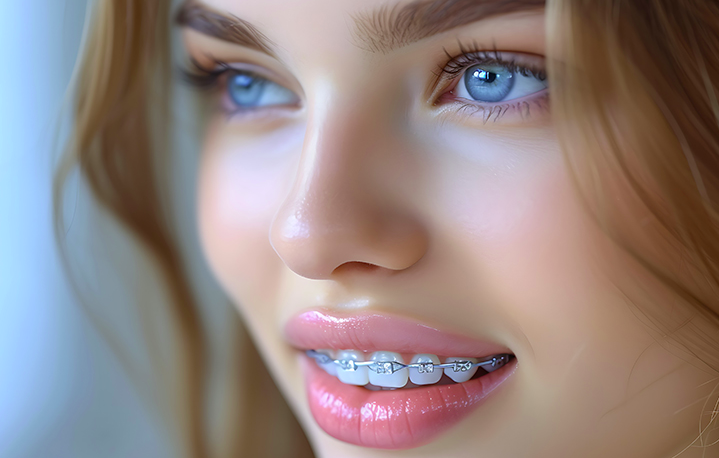
When it comes to straightening teeth, many people want an option that is effective but also discreet. Ceramic braces have become a popular choice for those who want the results of traditional metal braces without the obvious look. This article explores what ceramic braces are, their benefits, costs, and how they compare to other orthodontic treatments.
What Are Ceramic Braces?
Ceramic braces are similar to traditional metal braces, but they use clear or tooth-colored brackets. This makes them less noticeable, which is why they are often called invisible braces or clear braces.
They are made from strong ceramic materials that are durable enough to handle normal chewing forces while blending in with your natural teeth.
How Do Ceramic Braces Work?
Like traditional braces, ceramic braces gradually move your teeth into the correct position. The system uses:
-
Brackets: Attached to the teeth using dental cement
-
Archwires: Connect brackets and guide teeth into alignment
-
Elastic bands: Sometimes used to adjust bite or correct specific issues
The treatment process usually takes 12 to 36 months, depending on the complexity of the dental issues.
Benefits of Ceramic Braces
Ceramic braces offer several advantages over metal braces:
1. Aesthetic Appeal
The clear or tooth-colored brackets make them less noticeable, which is ideal for adults and teens concerned about appearance.
2. Comfortable on Gums
Ceramic material is smoother than metal, reducing irritation to the cheeks and gums.
3. Effective Treatment
They are just as effective as metal braces for most orthodontic cases, including crooked teeth, gaps, and bite issues.
Are There Any Drawbacks?
While ceramic braces are popular, there are a few considerations:
-
Fragility: Ceramic brackets are more brittle than metal, so they can break more easily.
-
Cost: They tend to be slightly more expensive than traditional metal braces.
-
Staining: Clear or elastic ties may discolor over time if exposed to coffee, tea, or certain foods.
Ceramic Braces vs. Other Options
Here’s how ceramic braces compare to other common treatments:
| Treatment Type | Appearance | Cost | Durability | Ideal For |
|---|---|---|---|---|
| Ceramic Braces | Less noticeable | Moderate | Medium | Adults/teens who want discreet braces |
| Metal Braces | Highly visible | Lower | Very durable | All ages, severe cases |
| Invisalign | Nearly invisible | Higher | N/A | Mild to moderate alignment issues, removable |
| Lingual Braces | Invisible from front | Higher | Medium | Patients needing discreet, custom braces |
Caring for Ceramic Braces
To keep ceramic braces clean and effective:
-
Brush after every meal to prevent staining
-
Use floss or interdental brushes to clean between teeth
-
Avoid sticky or hard foods that can damage brackets
-
Attend regular orthodontic check-ups
Proper care ensures your braces stay clear and treatment progresses smoothly.
Cost of Ceramic Braces
The cost varies depending on:
-
Complexity of the treatment
-
Location and clinic
-
Duration of therapy
On average, ceramic braces cost 10–20% more than metal braces. Many clinics offer payment plans or insurance coverage options.
Who Should Consider Ceramic Braces?
Ceramic braces are ideal for:
-
Adults who want discreet treatment
-
Teens concerned about appearance
-
Patients with mild to moderate dental misalignment
However, patients with severe bite problems may need metal braces or a combination treatment for best results.
Final Thoughts
Ceramic braces are an excellent choice for anyone who wants effective orthodontic treatment without the highly visible look of metal braces. They combine aesthetic appeal, comfort, and functionality, making them one of the most popular options in modern orthodontics.














Leave a Reply