
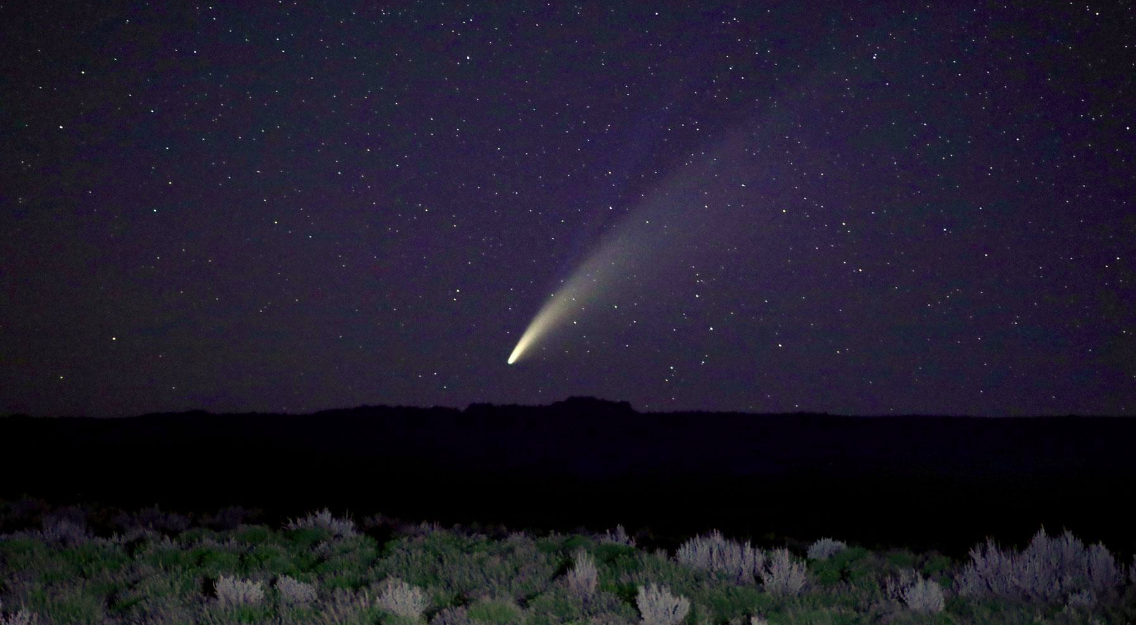
Astrophotography continues to push the boundaries of what amateur and professional astronomers can capture. One trending keyword gaining attention is “3I/ATLAS Paul Craggs astrophotography”, which combines the fascination of interstellar objects with the talent of a dedicated astrophotographer.
In this article, we explore what 3I/ATLAS is, who Paul Craggs is, and how astrophotography plays a vital role in capturing rare cosmic events.
What Is 3I/ATLAS?
3I/ATLAS refers to a potential interstellar object discovered by the ATLAS (Asteroid Terrestrial-impact Last Alert System), a NASA-funded survey system designed to detect near-Earth objects.
- “3I” stands for the third known interstellar object
- Previous discoveries include ʻOumuamua (1I) and 2I/Borisov (2I)
- These objects originate outside our solar system, making them extremely rare
If confirmed, 3I/ATLAS would be another extraordinary visitor from deep space, offering scientists valuable insights into other star systems.
Who Is Paul Craggs?
Paul Craggs is known in the astrophotography community for capturing detailed images of celestial objects such as:
- Comets
- Nebulae
- Galaxies
- Planetary alignments
His work highlights how skilled astrophotographers can contribute to astronomy by documenting rare events and sharing them with the public.
Astrophotography of Interstellar Objects
Capturing an object like 3I/ATLAS is incredibly challenging due to its:
- High speed
- Faint brightness
- Unpredictable trajectory
What Makes It Unique?
Interstellar objects differ from typical comets because they:
- Travel on hyperbolic trajectories
- Are not gravitationally bound to the Sun
- May contain materials from other star systems
Example of Interstellar Object Imaging

These types of images show how faint and distant such objects appear, requiring advanced imaging techniques.
Equipment Used in Astrophotography
To capture something like 3I/ATLAS, astrophotographers like Paul Craggs typically use:
1. Telescope
- High-aperture telescopes for light gathering
- Computerized tracking systems
2. Camera
- DSLR or dedicated astro cameras
- Long exposure capability
3. Mount & Tracking
- Equatorial mounts to track object motion
- Precise alignment for long exposures
4. Software
- Image stacking software
- Noise reduction and enhancement tools
Techniques for Capturing 3I/ATLAS
Long Exposure Imaging
Capturing faint light over extended periods to reveal detail.
Image Stacking
Combining multiple images to improve clarity and reduce noise.
Tracking Moving Objects
Unlike stars, interstellar objects move quickly—requiring:
- Custom tracking speeds
- Frame-by-frame alignment
Why Paul Craggs Astrophotography Matters
Astrophotographers like Paul Craggs play an important role in modern astronomy:
- Provide real-time visual documentation
- Help confirm sightings
- Inspire public interest in space science
Their work bridges the gap between professional observatories and amateur enthusiasts.
SEO Value of This Keyword
The keyword “3I/ATLAS Paul Craggs astrophotography” is trending because it combines:
- A rare astronomical discovery (3I/ATLAS)
- A recognizable astrophotographer (Paul Craggs)
- A popular niche (astrophotography)
This makes it ideal for attracting traffic from:
- Space enthusiasts
- Amateur astronomers
- Photography hobbyists
Future of Interstellar Astrophotography
With advancing technology, capturing interstellar objects will become easier:
- AI-assisted tracking systems
- More powerful telescopes
- Global collaboration between astronomers
Future discoveries like 3I/ATLAS will likely be documented in even greater detail.
Final Thoughts
The rise of keywords like “3I/ATLAS Paul Craggs astrophotography” shows how space exploration and photography continue to captivate audiences worldwide.
While interstellar objects remain rare, they offer a unique glimpse into the universe beyond our solar system. Thanks to skilled astrophotographers like Paul Craggs, these fleeting cosmic visitors can be captured, studied, and appreciated by everyone.










Leave a Reply